
Showing all 8 resultsSorted by price: high to low
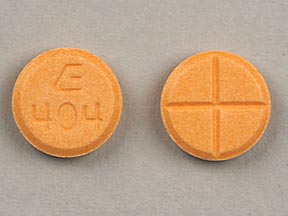

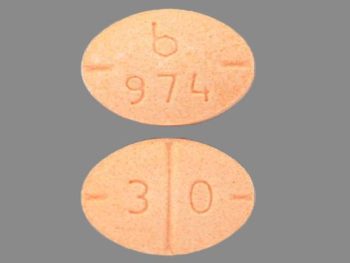

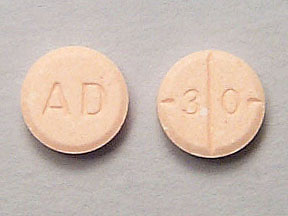

Living with ADHD or supporting someone who has it can feel overwhelming, especially when there’s so much conflicting information out there. Attention Deficit Hyperactivity Disorder (ADHD) is a neurological disorder that can affect both adults and children. The symptoms include issues with the areas of focus, attention, and impulse control. Occasionally, it may lead to excessive activity. ADHD isn’t caused by inattention, poor parenting or a lack of discipline. This is a medical condition that causes changes in brain chemicals including neurotransmitters like dopamine or norepinephrine.
ADHD is a problem that can impact daily life in the workplace, at school, and in family relations. When it’s treated well and appropriately supported with adjustments to the lifestyle as well as medications, people can manage issues effectively and increase their life expectancy.
What Is ADHD?
ADHD stands for Attention-Deficit/Hyperactivity Disorder. It’s a neurodevelopmental condition that affects how the brain regulates attention, controls impulses, and manages activity levels.
Think of ADHD as a difference in brain wiring. People with ADHD have brains that work differently in areas responsible for executive function—the mental skills we use to plan, focus, remember instructions, and juggle multiple tasks. It’s not about being lazy, choosing not to pay attention, or lacking intelligence. It’s a real medical condition with biological causes.
ADHD typically begins in childhood, though many people aren’t diagnosed until they’re teenagers or adults. The condition is lifelong, but symptoms change over time, and with proper support, people with ADHD can absolutely thrive.
How Common Is ADHD?
ADHD affects approximately 8-10% of children and 4-5% of adults worldwide. That means it’s one of the most common neurodevelopmental disorders. In any given classroom, several students likely have ADHD. In any workplace, multiple employees probably manage ADHD daily.
What Are the Main Symptoms of ADHD?
ADHD symptoms fall into three main categories: inattention, hyperactivity, and impulsivity. Not everyone with ADHD experiences all these symptoms, and the severity varies widely from person to person.
Inattention Symptoms
These involve difficulty focusing and staying organized:
- Trouble paying attention to details, leading to careless mistakes
- Difficulty sustaining focus on tasks or conversations
- Appearing not to listen when spoken to directly
- Failing to follow through on instructions or finish tasks
- Struggling with organization and time management
- Avoiding tasks requiring sustained mental effort
- Frequently losing necessary items like keys, phones, or paperwork
- Being easily distracted by unrelated thoughts or external stimuli
- Forgetfulness in daily activities
Hyperactivity Symptoms
These involve excessive movement and restlessness:
- Fidgeting, squirming, or tapping hands and feet
- Difficulty staying seated when expected to
- Running or climbing inappropriately (in children)
- Inability to engage in quiet activities
- Feeling driven by a motor, always “on the go.”
- Talking excessively
- Mental restlessness, even when physically still
Impulsivity Symptoms
These involve acting without thinking:
- Blurting out answers before questions are completed
- Interrupting or intruding on others
- Difficulty waiting for their turn
- Making hasty decisions without considering consequences
- Emotional outbursts that seem disproportionate
Different Types of ADHD Explained
Medical professionals recognize three official types of ADHD based on which symptoms are most prominent.
Predominantly Inattentive Presentation
Previously called ADD (without the “H”), this type primarily involves attention difficulties without significant hyperactivity. People with this type might seem spacey, disorganized, or forgetful. They often daydream and struggle to finish projects. This presentation is more common in girls and women, which contributes to underdiagnosis in females.
Predominantly Hyperactive-Impulsive Presentation
This type involves significant hyperactivity and impulsivity without major attention problems. Children with this presentation are often the stereotypical “can’t sit still” kids who are constantly moving and acting without thinking. This type is less common overall and is more frequently diagnosed in younger children.
Combined Presentation
This is the most common type, involving significant symptoms from both inattention and hyperactivity-impulsivity categories. People with combined type struggle with focus and organization while also being restless and impulsive.
It’s important to note that ADHD presentations can change over time. A child with the hyperactive-impulsive type might develop more inattentive symptoms as they age, transitioning to the combined type.
ADHD Symptoms in Children
In children, ADHD symptoms often become noticeable around ages 3-6. However, diagnosis typically happens during elementary school years when academic demands increase.
Inattention in children looks like:
- Difficulty following multi-step directions
- Losing school supplies, homework, or toys constantly
- Struggling to complete assignments or chores
- Jumping from activity to activity without finishing anything
- Appearing not to listen during conversations or instruction
- Making careless mistakes despite understanding the material
- Extremely messy desk, backpack, or bedroom
Hyperactivity in children looks like:
- Constantly climbing, running, or moving inappropriately
- Inability to play quietly
- Leaving their seat during class or mealtimes
- Excessive talking or making noises
- Difficulty with activities requiring patience
- Seeming driven by an internal motor
Impulsivity in children looks like:
- Grabbing things from others without asking
- Interrupting conversations constantly
- Shouting out answers in class
- Difficulty waiting their turn in games or lines
- Acting without considering safety or consequences
- Extreme emotional reactions
ADHD Symptoms in Adults
ADHD doesn’t disappear with age, but symptoms often shift. Hyperactivity frequently decreases while attention and organizational challenges may become more prominent, especially as adult responsibilities increase.
Adult ADHD commonly involves:
- Chronic disorganization at home and work
- Difficulty prioritizing and managing time
- Missing deadlines despite good intentions
- Forgetting appointments, bills, or commitments
- Procrastinating, especially on boring but important tasks
- Starting many projects but finishing a few
- Difficulty maintaining focus during meetings or conversations
- Losing important items regularly
- Making impulsive decisions about purchases, relationships, or a career
- Restlessness or feeling unable to relax
- Difficulty managing emotions
- Problems in relationships due to forgetfulness or seeming inattentive
- Underachievement at work despite intelligence or talent
- Chronic lateness
Many adults develop elaborate coping strategies that mask their ADHD, making it harder to recognize.
How ADHD Is Diagnosed
There’s no single test for ADHD. Diagnosis requires a comprehensive evaluation by a qualified healthcare professional, typically a psychiatrist, psychologist, or specialized physician.
The diagnostic process usually includes:
Clinical interviews: Detailed discussions about symptoms, their history, and impact on daily life. For children, parents and teachers provide crucial information.
Standardized rating scales: Questionnaires completed by the person being evaluated and often by family members, partners, or teachers to assess symptoms across different settings.
Medical history: Review of overall health, developmental milestones, and family history of ADHD or other conditions.
Rule out other conditions: Many conditions can mimic ADHD, including anxiety, depression, learning disabilities, sleep disorders, or thyroid problems. Testing helps ensure the correct diagnosis.
Symptom criteria: According to the DSM-5 (the diagnostic manual used in the US), ADHD requires:
- Several symptoms present before age 12
- Symptoms present in two or more settings (home, school, work)
- Clear evidence that symptoms interfere with functioning
- Symptoms not better explained by another condition
For adults, the diagnostic process often involves reviewing childhood behavior and school records to establish that symptoms were present early in life.
What Causes ADHD?
ADHD is a complex condition with multiple contributing factors. Research shows it’s not caused by bad parenting, too much screen time, or eating sugar—despite common myths.
Genetics: ADHD runs strongly in families. If a parent has ADHD, their child has about a 50% chance of having it too. Scientists have identified multiple genes associated with ADHD, though no single gene causes it.
Brain structure and chemistry: Brain imaging studies show differences in people with ADHD, particularly in areas controlling attention, impulse control, and executive function. Neurotransmitters like dopamine and norepinephrine function differently in ADHD brains.
Prenatal and early life factors: Exposure to tobacco, alcohol, or certain drugs during pregnancy increases ADHD risk. Premature birth, low birth weight, and lead exposure in early childhood are also associated with higher ADHD rates.
Risk Factors for Developing ADHD
While we can’t pinpoint exactly why someone develops ADHD, certain factors increase the likelihood:
- Family history of ADHD or other mental health conditions
- Premature birth or very low birth weight
- Prenatal exposure to tobacco, alcohol, or drugs
- Brain injury, particularly to the frontal lobe
- Environmental toxin exposure, especially lead
- Being male (boys are diagnosed 2-3 times more often, though this gap narrows in adulthood)
Having risk factors doesn’t guarantee someone will develop ADHD, and people without obvious risk factors can still have the condition.
ADHD and Anxiety: What Is the Connection?
ADHD and anxiety frequently occur together, with about 50% of adults with ADHD also experiencing anxiety disorders.
Why they often coexist:
Living with untreated ADHD creates many anxiety-producing situations. Constantly forgetting things, missing deadlines, or making careless mistakes naturally leads to worry about future failures. Years of criticism for ADHD symptoms can create deep anxiety about judgment and performance.
How they interact:
The two conditions can create a vicious cycle. ADHD makes it hard to complete tasks, which creates anxiety. Anxiety makes concentration even more difficult, worsening ADHD symptoms. Anxiety can also mask ADHD—people develop such elaborate systems to avoid forgetting things that their underlying attention problems go unrecognized.
Key differences:
Someone with ADHD has trouble focusing because their brain struggles to direct attention. Someone with anxiety has trouble focusing because worried thoughts dominate their attention. With both conditions, the difficulty focusing has two separate causes happening simultaneously.
ADHD and Depression
Depression is another common companion to ADHD, affecting about 18% of adults with ADHD compared to 7% of the general population.
The connection:
Years of struggling with ADHD symptoms without understanding why can damage self-esteem. Repeated experiences of failure, criticism, or underachievement despite effort can lead to hopelessness and depression. ADHD and depression also share some biological pathways involving neurotransmitter regulation.
Overlapping symptoms:
Both conditions can cause:
- Difficulty concentrating
- Low energy
- Trouble completing tasks
- Sleep problems
- Social withdrawal
This overlap makes diagnosis tricky. Sometimes treating ADHD helps depressive symptoms improve, while other times both conditions need separate treatment.
ADHD and Sleep Problems
Most people with ADHD struggle with sleep. Some estimates suggest 70% of children and adults with ADHD have sleep difficulties.
Common sleep issues:
- Difficulty falling asleep (racing thoughts, inability to “turn off”)
- Trouble waking up in the morning
- Irregular sleep schedules
- Restless sleep with frequent waking
- Feeling tired despite adequate sleep hours
- Delayed sleep phase (being a night owl)
Why ADHD affects sleep:
The same brain differences causing ADHD symptoms also affect sleep regulation. Additionally, ADHD medications can interfere with sleep if taken too late in the day, and anxiety or depression related to ADHD can disrupt rest.
The vicious cycle:
Poor sleep worsens ADHD symptoms, which makes it harder to maintain good sleep habits, which worsens sleep further. Breaking this cycle is crucial for managing ADHD effectively.
How ADHD Affects School and Learning
ADHD significantly impacts academic performance, though not because of low intelligence. Many people with ADHD are very bright but struggle to demonstrate their knowledge in traditional school settings.
Common school challenges:
- Difficulty sitting still during lessons
- Missing important information due to attention lapses
- Forgetting to write down or complete homework
- Losing assignment papers or permission slips
- Trouble following multi-step directions
- Disorganized notebooks and materials
- Procrastinating on long-term projects
- Rushing through tests and making careless errors despite knowing the answers
- Difficulty studying and retaining information
- Social struggles due to impulsivity or missing social cues
Strengths in learning:
While ADHD creates challenges, it can also bring strengths:
- Creativity and thinking outside the box
- Hyperfocus on interesting subjects
- High energy for engaging topics
- Quick thinking and problem-solving in novel situations
With proper support and accommodations, students with ADHD can excel academically.
How ADHD Affects Work and Daily Life
ADHD impacts nearly every aspect of adult life, from career to relationships to basic household management.
Work challenges:
- Missing deadlines or meetings
- Difficulty with time management and prioritization
- Procrastinating on important but tedious tasks
- Making careless mistakes in detailed work
- Trouble staying organized with paperwork or emails
- Difficulty sitting through long meetings
- Problems with authority or following workplace rules
- Frequent job changes due to boredom or conflicts
Daily life struggles:
- Forgetting to pay bills or schedule appointments
- Chronic lateness
- Messy, cluttered living spaces
- Starting household projects without finishing them
- Difficulty maintaining routines like regular exercise
- Impulsive spending
- Relationship conflicts from forgetfulness or seeming not to listen
- Losing important items like keys, wallet, or phone
Impact on relationships:
Partners of people with ADHD often feel ignored, unimportant, or burdened by taking on extra responsibilities. People with ADHD might struggle with emotional regulation, leading to arguments. However, with understanding, communication, and proper treatment, relationships can thrive.
ADHD in College Students
College presents unique challenges for students with ADHD. Without the structure of high school and parental oversight, managing academics, social life, and self-care becomes much harder.
College-specific challenges:
- No one is ensuring you attend class or complete assignments
- Irregular schedules with large gaps between classes (tempting procrastination)
- Long-term projects requiring sustained planning
- Lecture-heavy classes demanding extended focus
- Distracting dorm environments
- Managing finances independently
- Balancing academics with social opportunities
- Increased substance use risks
Strategies for success:
Many colleges offer support through disability services, including extended test time, note-taking assistance, or priority registration for morning classes (when ADHD symptoms are often milder). Building structure through routines, using campus resources like tutoring centers, and maintaining treatment are crucial for college success.
Treatment Options for ADHD
ADHD is highly treatable. Most people see significant improvement with proper treatment, which often combines multiple approaches.
Multimodal treatment:
Research shows the most effective approach combines medication, therapy, lifestyle changes, and environmental accommodations. No single treatment works for everyone, and finding the right combination may take time.
Therapy and Behavioral Support for ADHD
Several therapeutic approaches help people with ADHD develop skills and strategies for managing symptoms.
Cognitive Behavioral Therapy (CBT):
CBT helps identify unhelpful thought patterns and develop practical coping strategies. It’s particularly effective for adults with ADHD who need help with organization, time management, and emotional regulation.
ADHD Coaching:
Coaches work with clients to set goals, develop systems, and maintain accountability. Unlike therapy, coaching focuses primarily on practical skill-building rather than emotional processing.
Behavioral therapy for children:
Parent training teaches caregivers effective behavior management strategies. Teachers can implement classroom behavior plans. These approaches help children develop self-control and organizational skills.
Family therapy:
ADHD affects the whole family. Family therapy helps members understand the condition, communicate effectively, and develop supportive strategies together.
Support groups:
Connecting with others who have ADHD provides validation, reduces isolation, and offers practical tips from people who truly understand the challenges.
Medication for ADHD: Basic Overview
Medication is often a central component of ADHD treatment, helping regulate the brain chemistry differences underlying symptoms.
Stimulant medications:
Despite the name, stimulants have a calming, focusing effect for people with ADHD. They increase dopamine and norepinephrine in the brain. Common types include methylphenidate (Ritalin, Concerta) and amphetamines (Adderall, Vyvanse). Stimulants work quickly, often within an hour, and come in short-acting (4-6 hours) or long-acting (8-12 hours) formulations.
Non-stimulant medications:
For people who can’t tolerate stimulants or don’t respond well to them, non-stimulant options include atomoxetine (Strattera), guanfacine (Intuniv), and clonidine (Kapvay). These take longer to work but can be effective.
Important notes:
Medication doesn’t cure ADHD, but can significantly reduce symptoms. Finding the right drug and dose takes time and patience. All medicines have potential side effects, and regular monitoring by a healthcare provider is essential.
Daily Coping Strategies for People With ADHD
Beyond professional treatment, many practical strategies help manage ADHD day-to-day.
Organization systems:
- Use one calendar for everything (digital works best for most)
- Set phone reminders for appointments and tasks
- Create designated spots for keys, wallet, and phone
- Use checklists for routine tasks
- Keep visible to-do lists
- Organize space with clear labels and containers
Time management:
- Use timers to stay on task
- Try the Pomodoro Technique (25 minutes work, 5 minutes break)
- Build in buffer time for everything (you’ll probably be late anyway)
- Set deadlines earlier than the actual deadline
- Break large projects into smaller, timed chunks
Focus techniques:
- Minimize distractions (noise-canceling headphones, app blockers)
- Work in short bursts rather than forcing long sessions
- Match tasks to energy levels (hard stuff when you’re sharpest)
- Use “body doubling” (working alongside someone else)
- Take active breaks to reset attention
Lifestyle habits:
- Exercise daily (even 20-30 minutes helps tremendously)
- Prioritize consistent sleep schedules
- Eat regular meals with protein
- Limit caffeine and sugar
- Practice mindfulness or meditation
Emotional regulation:
- Name your emotions to reduce their intensity
- Step away when feelings run high
- Practice self-compassion (you’re not lazy or broken)
- Develop healthy outlets for big emotions
Common Myths and Misunderstandings About ADHD
Despite growing awareness, many myths about ADHD persist.
Myth: ADHD isn’t real; it’s just an excuse for bad behavior.
Reality: ADHD is a well-documented neurobiological condition with measurable brain differences and strong genetic components.
Myth: Only hyperactive young boys have ADHD.
Reality: ADHD affects people of all genders and ages. Girls often have an inattentive type and are significantly underdiagnosed.
Myth: ADHD medications are dangerous and overprescribed.
Reality: When properly prescribed and monitored, ADHD medications are safe and effective. However, diagnosis should be thorough, not rushed.
Myth: People with ADHD need to try harder or have more discipline.
Reality: ADHD involves actual brain differences that make “trying harder” ineffective without proper support and treatment.
Myth: ADHD is caused by bad parenting or too much screen time.
Reality: ADHD has biological and genetic causes. While parenting and environment affect how symptoms are managed, they don’t cause the underlying condition.
Myth: Everyone is a little ADHD.
Reality: While many people occasionally experience ADHD-like symptoms, the disorder involves persistent, severe symptoms that significantly impair functioning across multiple life areas.
Myth: People with ADHD can’t focus on anything.
Reality: Many people with ADHD experience hyperfocus on activities they find engaging, sometimes to the point of losing track of time and neglecting other responsibilities.
Myth: You outgrow ADHD.
Reality: ADHD is lifelong, though symptoms and their impact change over time. Many adults learn to manage effectively with proper treatment and strategies.
When to See a Doctor for ADHD Symptoms
Knowing when to seek professional evaluation is important. Consider consulting a healthcare provider if:
For children:
- Teachers frequently report attention or behavior problems
- Academic performance doesn’t match apparent ability
- Homework battles are constant and severe
- Social relationships are significantly affected
- The child seems unhappy, or their self-esteem is suffering
- Symptoms are present across multiple settings (home, school, activities)
For adults:
- Chronic disorganization significantly impacts work or relationships
- You’ve been told you’re “not living up to your potential.”
- Difficulty completing tasks causes regular problems
- Impulsive decisions create financial or relationship issues
- You suspect childhood ADHD that was never addressed
- Depression or anxiety hasn’t improved despite treatment (possible undiagnosed ADHD)
When to seek help urgently:
- Self-harm thoughts or behaviors
- Severe depression or anxiety
- Substance abuse problems
- Inability to function in daily life
Moving Forward With ADHD
Understanding ADHD is the first step toward effective management. While the condition presents real challenges, it’s highly treatable, and many people with ADHD lead successful, fulfilling lives.
If you suspect you or someone you love has ADHD, seek evaluation from a qualified healthcare provider. With accurate diagnosis, appropriate treatment, practical strategies, and supportive environments, people with ADHD can thrive.
Remember: ADHD is about having a brain that works differently, not one that’s broken. With understanding and proper support, those differences can even become strengths.
FAQs
Q1. Can adults have ADHD, or is it just a childhood condition?
Yes, adults absolutely can have ADHD. In fact, ADHD is a lifelong condition. While it begins in childhood, many people aren’t diagnosed until adulthood.
ADHD doesn’t disappear when you turn 18. However, symptoms often change over time. Hyperactivity typically decreases in adulthood, while attention and organizational challenges may become more noticeable as life responsibilities increase.
About 4-5% of adults have ADHD. Many went undiagnosed as children, especially if they had the inattentive type or developed strong coping mechanisms that masked their symptoms. Adult ADHD can significantly impact work performance, relationships, and daily life management.
If you struggled with attention, organization, or impulsivity as a child and continue to experience these challenges as an adult, it’s worth seeking evaluation from a qualified healthcare provider.
Q2. Is ADHD genetic? Will my child have it if I do?
Yes, ADHD has a strong genetic component. It runs in families more than almost any other psychiatric condition.
If one parent has ADHD, their child has about a 40-50% chance of having it too. If both parents have ADHD, the likelihood increases further. Studies of twins show that ADHD is about 75% heritable, meaning genetics play a major role.
However, genetics isn’t destiny. Just because ADHD runs in your family doesn’t guarantee your child will have it. Scientists have identified multiple genes associated with ADHD, but no single gene causes the condition. It’s the interaction of many genes plus environmental factors that determines whether someone develops ADHD.
Many parents discover their own ADHD only after their child is diagnosed, recognizing familiar patterns in their own childhood and current struggles.
Q3. What’s the difference between ADD and ADHD?
ADD (Attention Deficit Disorder) is an outdated term. The official diagnosis is now ADHD for everyone, regardless of whether hyperactivity is present.
In the past, people used “ADD” for those with primarily attention problems and “ADHD” for those with hyperactivity. Medical professionals now recognize these as different presentations of the same condition.
The current terminology uses three types:
- ADHD, Predominantly Inattentive Presentation (what used to be called ADD)
- ADHD, Predominantly Hyperactive-Impulsive Presentation
- ADHD, Combined Presentation (both inattention and hyperactivity)
So if someone says they have ADD, they’re describing ADHD with primarily inattentive symptoms. The terms essentially mean the same thing in everyday conversation, though ADHD is the medically correct term.
Q4. Can you have ADHD and be smart or successful?
Absolutely yes! ADHD has nothing to do with intelligence. Many highly intelligent, successful people have ADHD.
In fact, people with ADHD often have above-average intelligence. The condition affects attention regulation, impulse control, and executive function—not intellectual ability. Many people with ADHD are creative thinkers, innovative problem-solvers, and highly capable in their areas of interest.
Famous successful people with ADHD include entrepreneurs like Richard Branson, athletes like Michael Phelps and Simone Biles, actors like Emma Watson and Ryan Gosling, and countless others across every field.
The challenge isn’t capability—it’s consistently applying that capability within traditional structures. With proper support, accommodations, and treatment, people with ADHD can excel in school, careers, and life.
The “underachieving despite high potential” pattern is actually a common sign of undiagnosed ADHD.
Q5. Do girls get ADHD, or is it mostly boys?
Girls definitely get ADHD, though they’re significantly underdiagnosed.
During childhood, boys are diagnosed 2-3 times more often than girls. However, this gap narrows considerably in adulthood, suggesting many girls go undiagnosed until later in life.
Why the underdiagnosis? Girls with ADHD often present differently from boys:
- They’re more likely to have the inattentive type rather than the hyperactive type
- They tend to internalize struggles (anxiety, low self-esteem) rather than externalize them (disruptive behavior)
- They often develop coping strategies and work harder to compensate, masking symptoms
- They may be dismissed as “spacey,” “ditzy,” or “trying hard but not getting it.”
- Teachers and parents are less likely to recognize ADHD symptoms in quiet, well-behaved girls
Girls with ADHD often struggle silently, facing academic challenges, social difficulties, and mental health issues without understanding why. Recognizing ADHD in girls is crucial for providing proper support.
Q6. Can ADHD be cured?
No, ADHD cannot be cured. It’s a lifelong neurodevelopmental condition with biological and genetic origins.
However, ADHD is highly treatable and manageable. With proper treatment—which often includes medication, therapy, lifestyle changes, and environmental supports—most people with ADHD can manage their symptoms effectively and live successful, fulfilling lives.
Treatment doesn’t eliminate ADHD, but it can significantly reduce symptom severity and improve functioning. Many people find that symptoms become easier to manage as they:
- Develop effective coping strategies
- Build careers around their strengths
- Create supportive environments
- Access appropriate treatment
The goal isn’t to cure ADHD but to understand how your brain works and build a life that accommodates and even leverages those differences.
Q7. Is ADHD overdiagnosed? Are doctors just labeling normal childhood behavior?
This is complicated. Some research suggests overdiagnosis in certain populations, while other studies show significant underdiagnosis, particularly in girls, minorities, and adults.
The truth is nuanced:
Arguments for overdiagnosis:
- Some children are diagnosed too quickly without a thorough evaluation
- Normal developmental variations or situational factors sometimes get labeled as ADHD
- Pressure from schools or parents can rush the diagnosis
Arguments for underdiagnosis:
- Many people, especially girls and adults, go undiagnosed for years
- Strict diagnostic criteria mean many struggling people don’t qualify for a diagnosis
- Access barriers prevent many from getting evaluated
- Cultural stigma prevents people from seeking help
The key is proper diagnosis by qualified professionals using a comprehensive evaluation, not quick assessments. When diagnosed correctly, ADHD is a real condition requiring appropriate support, not just “normal kid behavior.”
Q8. Are ADHD medications safe? I’ve heard they’re dangerous.
When properly prescribed and monitored, ADHD medications are safe and effective for the vast majority of people.
ADHD medications are among the most-studied drugs in medicine, with decades of research on millions of people. For most individuals, benefits far outweigh risks.
Common concerns addressed:
“They’re addictive.” When taken as prescribed, ADHD medications carry minimal addiction risk. In fact, treating ADHD reduces the risk of substance abuse, as untreated ADHD is a major risk factor for addiction.
“They’re dangerous stimulants.” Stimulant medications work differently in ADHD brains than in non-ADHD brains. They are calm and focus rather than over-stimulated.
“Side effects are severe.” Most side effects are mild (decreased appetite, difficulty sleeping, headaches) and often improve over time or with dosage adjustments.
“They change personality.” Properly dosed medication shouldn’t change someone’s fundamental personality—it should help them be more themselves by reducing ADHD interference.
That said, medication isn’t right for everyone. Some people experience significant side effects, and finding the right drug and dose requires careful monitoring by a healthcare provider. Regular check-ins ensure medication remains safe and effective.
Q9. Can you develop ADHD as an adult, or must it start in childhood?
By definition, ADHD must begin in childhood (symptoms present before age 12), even if it isn’t diagnosed until adulthood.
If attention or organizational problems suddenly appear in adulthood with no childhood history, it’s not ADHD—it’s likely something else, like:
- Depression or anxiety
- Sleep disorders
- Thyroid problems
- Stress or burnout
- Other medical conditions
- Medication side effects
However, many adults are diagnosed with ADHD for the first time despite having symptoms since childhood. They may have:
- Developed strong coping mechanisms that masked symptoms
- Succeeded in structured environments that minimized ADHD impact
- Been high-functioning enough that struggles weren’t recognized
- Had symptoms dismissed as laziness or not trying hard enough
Adult diagnosis requires evidence that ADHD symptoms were present in childhood, often through school records, parent recollections, or the adult’s own memories of early struggles.
Q10. Does sugar or food dye cause ADHD or make it worse?
No, sugar and food dyes do not cause ADHD. This is one of the most persistent myths about the condition.
ADHD has biological and genetic origins. Diet doesn’t create the underlying brain differences that characterize ADHD.
What about sugar making kids “hyper”? Large amounts of sugar can make any child energetic and excitable—that’s normal, not ADHD. The temporary energy boost from sugar is very different from the persistent symptoms of ADHD.
What about food dyes? Some research suggests artificial food dyes worsen hyperactivity in a small subset of children who are sensitive to them. However, this isn’t the same as causing ADHD, and eliminating dyes doesn’t cure the condition.
Can diet help manage ADHD? While diet doesn’t cause or cure ADHD, healthy eating can support overall brain function. Some people find that:
- Regular protein intake helps maintain stable focus
- Reducing simple carbs prevents energy crashes
- Omega-3 fatty acids may provide modest benefits
- Eliminating specific foods helps if there are genuine allergies or sensitivities
- Diet can be one piece of comprehensive ADHD management, but it isn’t a standalone treatment.
Q11. Can you have ADHD if you can focus intensely on things you enjoy?
Yes, absolutely! This is called hyperfocus, and it’s actually a common ADHD symptom.
ADHD isn’t an inability to focus at all—it’s difficulty regulating attention. People with ADHD struggle to direct attention to boring or unrewarding tasks. Still, they can become completely absorbed in activities they find interesting or stimulating.
Hyperfocus can look like:
- Playing video games for hours without noticing time passing
- Getting lost in a hobby or creative project
- Reading an entire book in one sitting
- Deep diving into research on a topic of interest
While hyperfocus can be productive, it also creates problems:
- Neglecting important responsibilities
- Losing track of time completely
- Difficulty shifting attention when needed
- Forgetting to eat, sleep, or attend to basic needs
Many people don’t realize hyperfocus is an ADHD symptom and think, “I can’t have ADHD because I focus great on things I like!” But inconsistent attention regulation—great focus on interesting things, terrible focus on boring but necessary tasks—is exactly what ADHD looks like.
Q12. Is ADHD just laziness or lack of willpower?
Absolutely not. ADHD is a neurobiological condition, not a character flaw.
Brain imaging studies show measurable differences in ADHD brains, particularly in areas controlling executive function, reward processing, and impulse control. Neurotransmitters like dopamine function differently in ADHD brains.
People with ADHD aren’t choosing to be disorganized, forgetful, or unfocused. They’re dealing with brain-based challenges that make these things genuinely difficult.
In fact, many people with ADHD try harder than their peers. They expend enormous mental energy attempting to focus, remember things, and complete tasks that others find straightforward. The perception of laziness often comes from external observers who see incomplete functions without understanding the internal struggle.
The “lazy” label is particularly harmful because it:
- Prevents people from seeking help
- Damages self-esteem
- Ignores the real challenges ADHD creates
- Dismisses the legitimate need for support and treatment
ADHD is about having a brain that works differently, requiring different strategies and sometimes medical treatment to function optimally.
Q13. Can ADHD get worse over time?
ADHD symptoms themselves don’t typically worsen over time, but how they impact your life can change as demands increase.
For example:
- An elementary school with structure and parental oversight might be manageable
- High school with more independence and complex work might reveal struggles
- A college without an external structure might create a crisis
- Career and family responsibilities in adulthood might feel overwhelming
As life becomes more complex, the same ADHD symptoms create bigger challenges. What looked like mild disorganization in childhood might become serious career problems in adulthood when you’re managing projects, deadlines, and multiple responsibilities independently.
Additionally:
- Untreated ADHD often leads to secondary problems (anxiety, depression, low self-esteem) that compound difficulties
- Aging can bring new challenges as memory and executive function naturally decline
- Life stress (job loss, divorce, health problems) can make ADHD symptoms more noticeable
However, with appropriate treatment and support, many people find that ADHD becomes easier to manage as they:
- Better understand how their brain works
- Develop effective coping strategies
- Build careers around their strengths
- Create supportive environments
Q14. What’s the difference between ADHD and just being easily distracted?
Everyone gets distracted sometimes. ADHD is different in degree, persistence, and impact.
Occasional distraction is normal. ADHD involves chronic, severe attention regulation problems that significantly impair functioning across multiple life areas.
Key differences:
Typical distraction:
- Happens occasionally in specific situations
- Doesn’t significantly impact overall functioning
- Can be overcome with extra effort when needed
- Doesn’t cause major problems in work, school, or relationships
ADHD:
- Persistent pattern present since childhood
- Occurs across multiple settings (work, home, social)
- Significantly impairs functioning despite trying hard
- Creates ongoing problems that don’t resolve with willpower
- Involves additional symptoms beyond just distraction
ADHD also includes executive function difficulties (organization, time management, planning), impulsivity, and sometimes hyperactivity—not just being easily distracted.
If attention difficulties are causing significant, persistent problems in your life despite your best efforts, that’s worth discussing with a healthcare provider.
Q15. Do people with ADHD have lower IQ?
No, ADHD does not affect IQ. Intelligence and ADHD are completely separate things.
People with ADHD have the same range of intelligence as people without ADHD, from below average to average to gifted and above.
In fact, many people with ADHD are highly intelligent. The condition affects attention regulation and executive function, not intellectual ability.
The confusion comes from:
- ADHD can make it harder to demonstrate intelligence in traditional academic settings
- Standardized testing often disadvantages people with ADHD
- School performance doesn’t match intellectual potential
- Processing speed (which can be affected by ADHD) is sometimes confused with intelligence
Many people with ADHD are described as “bright but not living up to potential” or “smart but needs to apply themselves.” This is classic ADHD—the capability is there, but attention and executive function challenges interfere with consistent performance.
Being gifted with ADHD brings its own challenges, as high intelligence can mask ADHD symptoms until demands exceed even exceptional abilities to compensate.
Q16. Can anxiety or depression be mistaken for ADHD?
Yes, absolutely. Anxiety, depression, and ADHD share overlapping symptoms that can make diagnosis tricky.
Overlapping symptoms:
- Difficulty concentrating (present in all three)
- Restlessness or agitation (anxiety and ADHD)
- Sleep problems (all three)
- Difficulty completing tasks (depression and ADHD)
- Forgetfulness (depression and ADHD)
Key differences:
ADHD:
- Present since childhood
- Persistent across all life periods
- Involves specific attention regulation and impulsivity patterns
- Affects multiple settings
Anxiety:
- Concentration problems due to worry dominating attention
- May develop later in life
- Often tied to specific triggers or situations
- Physical symptoms like muscle tension, rapid heartbeat
Depression:
- Concentration problems accompanied by a sad mood, loss of interest
- Often episodic rather than constant
- Includes specific symptoms like changes in sleep/appetite, hopelessness
- May improve between episodes
The complexity: Many people have both ADHD and anxiety or depression (called comorbidity). Sometimes anxiety/depression develops because of untreated ADHD. Sometimes they’re separate conditions happening simultaneously.
Proper diagnosis requires comprehensive evaluation by experienced professionals who can tease apart these overlapping symptoms.
Q17. Is medication the only treatment for ADHD?
No, medication is not the only treatment, though it’s often an important component.
Effective ADHD treatment is typically multimodal, meaning it combines several approaches:
Medication:
- Often, the most effective single intervention
- Helps regulate brain chemistry
- Not required for everyone
- Therapy:
- Cognitive Behavioral Therapy (CBT) for coping strategies
- ADHD coaching for practical skill-building
- Family therapy for relationship support
Lifestyle modifications:
- Regular exercise (highly effective for symptom management)
- Consistent sleep schedule
- Structured routines
- Healthy diet
Environmental supports:
- Organizational systems and tools
- Workplace or school accommodations
- Reduced distractions in living/work spaces
Education:
- Understanding how ADHD affects you
- Learning effective strategies
- Self-advocacy skills
Research shows that combined treatment (medication plus behavioral interventions) produces the best outcomes for most people. However, treatment is individualized—what works varies from person to person.
Some people manage ADHD effectively without medication using therapy, coaching, and lifestyle strategies. Others find medication essential. There’s no one-size-fits-all approach.
Q18. Can ADHD cause relationship problems?
Yes, untreated ADHD often creates significant relationship challenges, both romantic and platonic.
Common relationship issues:
Forgetfulness:
- Missing important dates (anniversaries, birthdays)
- Forgetting promises or commitments
- Losing track of plans
Inattention:
- Not seeming to listen during conversations
- Missing emotional cues
- Getting distracted during quality time together
Impulsivity:
- Saying hurtful things without thinking
- Making major decisions without consulting a partner
- Overspending
- Emotional reactivity
Disorganization:
- Leaving partner to handle household management
- Creating stress around finances, chores, and scheduling
- Feeling like the “parent” rather than an equal partner
Time blindness:
- Chronic lateness
- Misjudging how long tasks take
- Last-minute scrambling
These patterns can leave partners feeling unimportant, frustrated, or exhausted. People with ADHD often feel misunderstood, criticized, or like they’re constantly failing.
The good news: With proper treatment, relationship skills training, and open communication, couples can navigate ADHD successfully. Understanding that ADHD symptoms aren’t intentional disrespect helps partners respond with compassion rather than anger.
Many couples find that addressing ADHD dramatically improves their relationship.
Q19. Should I tell my employer or school about my ADHD?
This is a personal decision with pros and cons. There’s no single right answer.
Reasons to disclose:
Legal protections:
- In the US, ADHD is protected under the ADA (Americans with Disabilities Act)
- You can request reasonable accommodations
- Protection from discrimination
Possible accommodations:
- School: Extended test time, separate testing room, note-taking assistance, deadline flexibility
- Work: Flexible schedule, quiet workspace, written instructions, task prioritization support
Reduced stress:
- Explaining challenges rather than hiding struggles
- Getting understanding rather than judgment
- Access to formal support
Reasons not to disclose:
Stigma:
- Despite legal protections, discrimination exists
- Some view ADHD as an excuse or a character flaw
- Concern about career advancement
Privacy:
- Personal medical information
- Can’t “undisclose” once shared
- Information may spread
May not need accommodations:
- If managing well with current strategies
- If the job already fits your strengths
Middle ground:
- Disclose to HR for accommodations, but not to all colleagues
- Wait until after the job offer to request accommodations
- Disclose specific needs without a full ADHD diagnosis (“I work best with written instructions”)
Consider your specific situation, the organizational culture, your trust level, and whether accommodations would meaningfully help.
Q20. How do I know if I should get evaluated for ADHD?
Consider evaluation if:
Childhood indicators:
- Teachers frequently commented on attention or behavior
- School was harder than it should have been, given your intelligence
- You were called “lazy,” “unmotivated,” or “not living up to potential.”
- Report cards mentioned “not paying attention” or “easily distracted.”
Current struggles:
- Chronic disorganization despite trying to get organized
- Difficulty completing tasks, especially boring ones
- Missing deadlines regularly
- Frequent lateness
- Losing important items constantly
- Starting many projects, finishing a few
- Trouble focusing during meetings or conversations
- Impulsive decisions are causing problems
- Relationship issues related to forgetfulness or inattention
- Feeling like you’re underachieving despite being capable
When symptoms:
- Have been present since childhood
- Occur across multiple settings (work, home, social)
- Significantly impair functioning
- Don’t improve despite trying various strategies
- Cause distress or problems in your life
Red flags that it might be ADHD:
- “I’ve always been this way.”
- “People say I’m smart but need to apply myself.”
- “I do great with things I like, but can’t force myself to focus on boring stuff.”
- “I’ve developed elaborate systems just to function basically.”
Finding evaluation:
- Psychiatrists specializing in ADHD
- Psychologists who do ADHD assessments
- ADHD specialty clinics
- University medical centers
Don’t self-diagnose based on internet quizzes. Proper evaluation requires a comprehensive assessment by qualified professionals who can also rule out other conditions with similar symptoms.
If ADHD symptoms are making your life significantly harder, evaluation is worth pursuing. Even if it’s not ADHD, you’ll get clarity on what’s actually going on and how to address it.